AI Consulting for Fire Departments | Readiness, Policy, Workflows
AI Consulting for Fire Departments That Need Practical Results, Not More Tech Confusion
Straight-talk guidance from a 40-year fire service veteran. Built around your operations, your people, and your real-world constraints.
A practical answer
Where should a fire department start with AI?
Start with low-risk administrative, training, reporting, and communication work that has a clear human reviewer. Keep emergency command decisions, PHI, active investigations, and other sensitive information out of unapproved tools.
The Reality
Fire departments are being asked to do more with less.
Call volumes are up. Staffing is tight. Paperwork is endless. Training demands keep growing. Meanwhile, vendors are pitching AI products that don't speak your language—and nobody has time to figure out what actually works.
What I Help With
Focused consulting services built for fire service operations
Practical support for the realities of staffing, documentation, training, privacy, EMS, and department leadership.
AI Readiness Assessment
A clear-eyed look at where your department stands today—technology, workflows, staff comfort, and the highest-impact opportunities to start with AI.
Workflow and Report Improvement
Identify the repetitive, time-draining tasks across operations, training, and admin—then redesign them with practical AI assistance that fits the firehouse.
AI Training for Leaders and Staff
Hands-on training built for chiefs, officers, and line personnel. No jargon. No fluff. Real tools, real prompts, real workflows your team will actually use.
Policy, Guardrails, and Safe Use
Develop AI use policies that protect your department—covering data privacy, PHI/HIPAA, public records, and responsible use across operations and EMS.
Custom AI Workflow Development
Build tailored AI assistants and workflows for your department—incident report drafting, training documentation, after-action reviews, and more.
Who This Is For
For departments serious about modernizing without the hype
Consulting is a fit if you lead—or help lead—a department that wants a clear, safe, practical AI roadmap.
How Consulting Works
A straightforward four-step process
Designed to deliver clarity fast and move from confusion to practical next steps.
Discovery Call
A free, no-pressure conversation to understand your department, your pain points, and what success would look like.
AI Opportunity Review
A focused review of your current workflows, tools, and team to pinpoint the highest-value, lowest-risk places to start.
Recommended Action Plan
A clear, prioritized roadmap—what to do, in what order, with realistic timelines and effort estimates.
Training or Implementation Support
Hands-on help bringing the plan to life—training your team, building workflows, and refining as you go.
How AI Fire Guy Is Different
Practical implementation before platform promises.
Free courses, conference sessions, public-safety briefings, and software vendors all have a place. This work helps leaders decide where AI belongs before they buy tools, train crews, or put sensitive work into a workflow.
Not generic AI training
Examples are built around fire service reports, training, EMS and administrative workflows, policy, and command staff decisions.
Not a software pitch
The work starts with readiness, guardrails, and workflow fit before tool selection.
Beyond a single session
The goal is practical implementation your department can use after a class, conference, or briefing ends.
Common Engagements
Start with the level of support your department needs
Choose a focused review, department training, or hands-on implementation support. Scope and investment are confirmed before work begins.
AI Readiness Review
For departments that need a safe starting point. Includes intake review, a leadership conversation, a safe-use-case list, and guardrail priorities. Best for chiefs, command staff, and training officers.
Department AI Training
For teams that need shared language and safe usage habits. Includes a live session, fire-service examples, privacy boundaries, prompt practice, and takeaway templates. Best for command staff, training divisions, and multi-department groups.
Workflow Implementation Support
For departments ready to turn AI into a controlled process. Includes workflow mapping, a policy or guardrail draft, tool-use boundaries, and one pilot workflow. Best for departments already seeing staff use AI informally.
Starting point: Request a free readiness review. If paid review, training, or workflow support is the right fit, the proposal will clearly state deliverables, timeline, and total investment.
Common Consulting Projects
Engagements that deliver measurable impact
A sample of the projects that help departments save time, reduce friction, and improve consistency.
Incident Report Drafting Assistants
AI helpers that turn quick notes into clean, complete narrative reports.
Training Program Modernization
Revamping lesson plans, drills, and officer development with AI-assisted prep.
Data and Performance Dashboards
Turning NFIRS, ePCR, and scheduling data into insights leadership can act on.
Department AI Use Policies
Practical, defensible policies covering safe use, privacy, and accountability.
After-Action Review Workflows
Faster, more consistent AARs that actually drive learning and improvement.
Administrative Automation
Streamlining grants, compliance docs, meeting notes, and routine correspondence.
What You Walk Away With
Concrete outcomes—not a slide deck that collects dust
- A clear understanding of where AI fits—and where it doesn't—in your department
- A prioritized action plan tailored to your size, budget, and staffing
- Trained leaders and staff who know how to use AI tools safely and effectively
- Documented policies and guardrails that protect your department
- Real workflows in place that save time from day one
- A trusted advisor who speaks fire service, not Silicon Valley
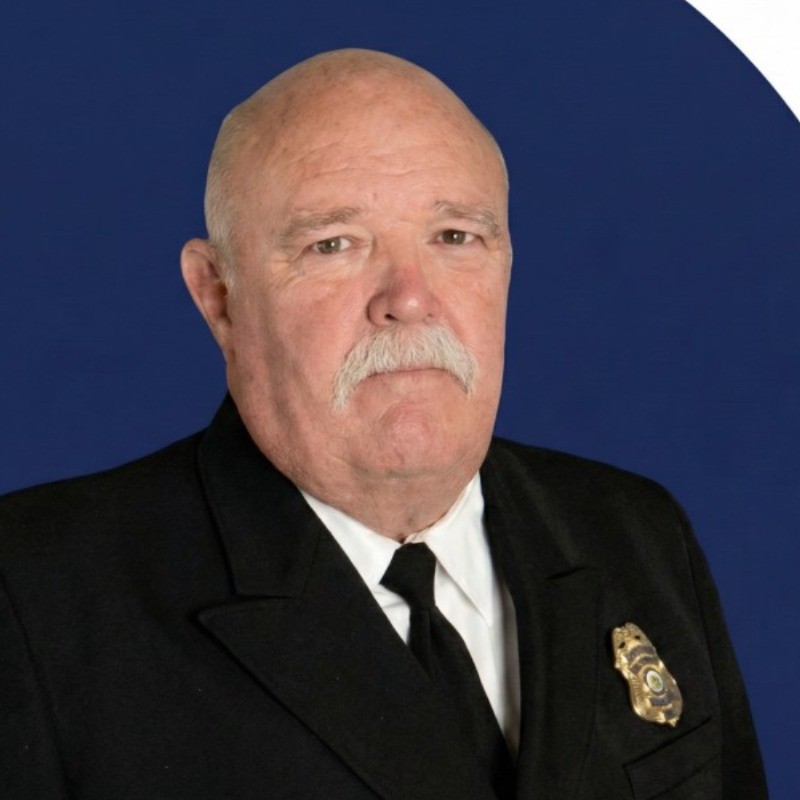
The Chief's Badge of Trust
Built by a Fire Service Leader, Not a Tech Outsider
Forty years on the job. Battalion Chief of Training and EMS. Thousands of incidents. Hundreds of officers developed. I've lived the paperwork, the staffing crunch, the politics, and the pressure.
Frequently Asked Questions
Quick answers to what chiefs ask most
Do I need to know anything about AI before we start?
No. The consulting process starts with plain language, your current workflows, and the problems you already know you need to solve.
Is this only for large career departments?
No. The approach can fit career, combination, and volunteer departments. The recommendations are scaled to your size, staffing, budget, and risk tolerance.
How long does a typical engagement last?
It depends on the scope. Some departments need a readiness review and roadmap; others want training, policy development, and implementation support.
What about data privacy, HIPAA, and public records?
Those concerns are built into the work. Safe use, PHI/HIPAA, public records, data privacy, and department accountability are treated as core requirements—not afterthoughts.
Can you work with our existing software vendors?
Yes. The goal is to improve how your department works, not force unnecessary software changes. Existing tools and vendor constraints are part of the review.
How is pricing structured?
Pricing depends on the size and scope of the engagement. The free readiness call is the best place to talk through what you need and what level of support makes sense.
Ready to See What AI Can Actually Do for Your Department?
Start with a free, no-pressure conversation. We'll talk through your challenges and whether consulting is the right next step.
Request a Free AI Readiness ReviewCommon Questions
Practical answers before you start
What is the safest first AI use case?
Start with reviewable administrative, training, policy, or communication work. Avoid PHI, active investigations, emergency command decisions, personnel discipline, and unreviewed public communications.
Does AI Fire Guy sell software?
No. The work starts with readiness, training, guardrails, and workflow fit before any tool selection.
What happens after I request a review?
Ken reviews your context and replies with the safest next step: a recommendation, a resource, or a short call if that makes sense.